
Moving Vienna – Berlin

Moving Vienna to Berlin: a guide to planning, costs, and process A move from Vienna to Berlin is more than “a few boxes across the border”. You are not only changing city and apartment, but often also your rhythm, administrative appointments, parking rules, and time slots. That is exactly why a clear process helps: first dates and access, then volume, then packing, then transport and move-in. In this guide, you will get a practical structure that has proven itself—no empty promises, but checklist logic to make the change truly manageable. If you are starting from Vienna and would like to submit a structured request, you will find a suitable starting point here: Moving in Vienna, and for a direct enquiry Contact. Moving Vienna to Berlin in 3 phases A move from Vienna to Berlin runs most smoothly if you think in phases: (1) preparation, (2) moving day, (3) settling in. In phase 1, you clarify dates, volume, parking, and documents. In phase 2, sequence and role allocation matter. In phase 3, the goal is to live functionally quickly—not perfection on the first evening. Moving from Vienna to Berlin When moving from Vienna to Berlin, the most important decision is: How fixed is your move-in date, and how much buffer do you really have? If the key handover in Berlin is tight, plan early rather than late. A time window planned “too tight” is the most common reason for stress, waiting times, and unnecessary additional costs. Relocation Vienna Berlin A relocation from Vienna to Berlin rarely fails because of the transport itself, but because of the “small” things: no loading area, unclear responsibilities, the wrong packing order, or an apartment at the destination where there is still no space to work. If you prepare the basics properly (access, parking, priorities), the relocation remains manageable. Moving company Vienna Berlin You should not choose a moving company for Vienna–Berlin based on “who is the cheapest”, but on clarity. Good providers ask in advance about floor, elevator, carrying distance, volume, parking options, and scope of service. This is not hassle for the sake of it, but a sign of quality: the clearer the key details, the more stable the process will be later. Moving Vienna Berlin costs Moving Vienna–Berlin costs depend on effort, not only on kilometres: volume, floors, elevator, carrying distances, parking, time windows, and additional services. Anyone who reduces volume and clarifies parking often cuts more costs than by choosing “just any cheap quote”. Moving Vienna Berlin price The price for moving Vienna–Berlin is only meaningfully comparable if the assumptions are the same. Two quotes can look similar but include different services: carrying service, protective materials, disassembly and assembly, waiting-time rules. Therefore, compare service items, not just the first number. Moving quote Vienna Berlin A moving quote for Vienna–Berlin becomes more accurate the better your information is. Always send the key details in one go: start and destination address, floor, elevator yes/no, carrying distances, rough number of boxes, large furniture, desired date, time window, and whether assembly is needed. This makes quotes fair and prevents them from becoming “surprisingly” more expensive later. Fixed-price move Vienna Berlin A fixed-price move Vienna–Berlin is possible if the conditions are clear. Fixed price means planning certainty—but only if volume, access, carrying distances, and parking are described properly. If this information is missing, the fixed price is often calculated cautiously or later supplemented with additional items. A fixed price is therefore always a “fixed price with a clear definition”. Moving Vienna Berlin no-parking zone With a no-parking zone for a Vienna–Berlin move, it is all about time. If the van is not nearby, you carry every box farther—and minutes quickly add up to hours. Clarify early whether a loading space is realistic or whether a no-parking zone makes sense. Neutral official information on Berlin topics around the city can be found at Berlin (overview, districts, structure). No-parking zone Vienna move A no-parking zone for a move in Vienna can significantly stabilise pickup if parking pressure is high or access is difficult. Shorter distances mean less rush, less risk of damage, and often much better predictability. If you plan this early, moving day will be calmer. Parking for moving in Berlin Parking for moving in Berlin is a real time lever in many districts. If the vehicle is too far away, carrying time increases—and with it the duration. When thinking about parking, do not only think “a spot”, but “how many metres do I have to carry on average”. The fewer metres, the more stable the process. Furniture transport Vienna Berlin Furniture transport Vienna–Berlin is particularly sensitive when heavy or delicate furniture is involved. Edge protection, proper securing in the vehicle, and a good loading order prevent damage. One often underestimated point: many pieces of furniture are less stable after reassembly if they have already been assembled multiple times—so systematic disassembly is important. Transport Vienna Berlin Transport Vienna–Berlin becomes predictable when you define a clear order: heavy furniture secured first, sturdy boxes by weight, fragile items protected on top, essentials separately. This prevents important items from getting “lost” somewhere and saves you from having to search at the destination. Packing for international moves Packing for an international move means: better sturdy than fast. Use strong boxes, consistently cushion fragile items, and label by room and priority. A “first-night box” saves stress: documents, toiletries, clothes, chargers, water, snacks. Moving boxes Vienna Moving boxes in Vienna should not be overloaded. Books belong in small boxes so nothing tears and carrying remains safe. Label clearly: room, brief contents, priority. This makes unpacking in Berlin significantly faster. Packing service Vienna A packing service in Vienna is worthwhile if time is tight or you have many fragile items. Professional packing reduces damage and saves time on moving day because boxes are logically sorted and sturdy. Furniture assembly Berlin Furniture assembly in Berlin is often the point at which you “arrive” the fastest. Once the bed, wardrobe, and a workspace are set up,
Your First Apartment Checklist for Moving In
Your First Apartment Checklist for Moving In Your First Apartment Checklist for Moving In Your first apartment is a milestone: more freedom, more responsibility, and suddenly many tasks at once. This First Apartment Checklist is designed precisely for this. It guides you step-by-step through the most important topics related to moving and settling in, so you don’t forget anything crucial and get off to a clean start. Important: Below you will find a clear structure. Use it like a plan. The sooner you check off the first items, the smoother your move-in will be. If you need support with your move, you can start directly here: Contact. Moving In Checklist as a Starting Point This Moving In Checklist helps you organize your first days effectively. First, prioritize everything with deadlines (registration, handover, contracts). After that, come comfort-related items like furniture, decor, and optimization. Moving Checklist for Planning and Execution A good Moving Checklist is your guiding thread: packing, sequence, parking, transport routes, time windows, and moving in. Starting without a plan leads to wasted time and mistakes that cost money later. Download Moving Checklist To ensure you don’t forget anything during your move, you can download our Moving Checklist as a PDF. The list is easy to check off and helps with planning, packing, parking, assembly, and moving in. Download Moving Checklist (PDF) Note: The PDF will open in a new tab and can be saved or printed directly. Review Rental Agreement The rental agreement is the foundation. Read it carefully: term, notice periods, operating costs, house rules, use of cellar or storage room. Clarify any unclear points sooner rather than later. Understanding the Rental Agreement Understanding the rental agreement also means: what constitutes ‘normal use’, which repairs are the landlord’s responsibility, and which obligations are yours. The clearer this is, the fewer discussions there will be upon moving out or in case of damages. Plan Security Deposit Correctly The security deposit is often the largest initial expense. Don’t plan it too tightly; instead, also budget a reserve for move-in costs, furniture, or unexpected bills. Security Deposit Refund The security deposit refund is usually returned only after moving out and depends on the condition of the apartment. Do not expect this money to be available in the short term. Perform Apartment Handover Properly The apartment handover determines whether everything remains calm later. Take your time, check doors, windows, floors, bathroom, and kitchen. Take photos and note any visible defects. Handover Protocol A handover protocol should include meter readings, number of keys, and any damages. This is your proof if there are any ambiguities later. Organize Registration Certificate The registration certificate is a central step in Austria. Plan enough time for it and gather the necessary documents so you don’t have to go back and forth multiple times. Residence Registration Residence registration is often a prerequisite for other things like banks, authorities, or certain contracts. The sooner you take care of this, the easier other matters will become. Create a Household Budget A realistic household budget protects you from surprises. Calculate fixed costs (rent, operating costs, electricity, internet) plus variable costs (food, mobility) and leave a buffer. Keep a Household Ledger A household ledger is the simplest tool to see where your money truly goes in the first 30 days. After that, you can specifically optimize. Take Out Household Insurance Household insurance protects your inventory (furniture, electronics, clothing) depending on the tariff. Especially in your first apartment, this is sensible, as damages can otherwise become expensive. Liability Insurance Liability insurance is at least as important because it covers damages you might cause to others (for example, water damage to neighbors). This is a real safety factor. Register Electricity You should register electricity as early as possible before moving in, so everything works on the first day. Check if the meter number and reading are known. Register Internet Registering internet sometimes takes longer than expected, depending on the provider. Order early so you don’t go weeks without a connection. Organize Key Handover The key handover seems trivial but is important: How many keys do you receive? Are there keys for the cellar, mailbox, bicycle room? Note the number in the protocol. Change Door Lock Changing the door lock is not always mandatory, but it gives many a better feeling. Clarify beforehand what is allowed and whether the original cylinder must be reinstalled when moving out. Plan Your Move in Vienna A move in Vienna is relaxed when the process and sequence are clear. If you need help, start here: Moving in Vienna. Plan time windows, transport routes, and who will coordinate on moving day. Moving Company Vienna or Friends A moving company in Vienna is particularly worthwhile for old buildings without an elevator, many pieces of furniture, or limited time. Friends are good if the scope is small and everything runs smoothly. Decide based on effort and risk, not just perceived price. Furniture Transport Vienna for Individual Items Furniture transport in Vienna is often the best solution if you only need to move a sofa, washing machine, or wardrobe. Especially with a first apartment, furniture often arrives gradually. Small Transport Vienna Small transport in Vienna is practical for a few items if you don’t need a large-scale move. This saves effort and is often cheaper than a complete moving logistics solution. Utilize Packing Material Vienna Sensibly Packing material in Vienna reduces damage: padding, film, protection for glass and edges. Good packing saves time because nothing breaks and less rework is needed. Moving Boxes Vienna Moving boxes in Vienna should be sturdy. Heavy items go into small boxes, light ones into larger ones. Labeling by room and priority prevents searching time during unpacking. Packing Service Vienna for Limited Time A packing service in Vienna is worthwhile if you have little time or many fragile items. Structured packing makes the move more predictable. Unpacking Service Vienna An unpacking service in Vienna can be particularly helpful for dishes, decor, and sensitive electronics, as items
Planning a move in 10 steps: organizing everything correctly

Planning a move in 10 steps: organizing everything correctly Planning a move in 10 steps: organizing everything correctly Those who can plan a move save time, money, and stress. Most moves become stressful not because of a “lack of strength,” but due to a lack of structure: boxes without a system, unresolved parking, furniture not disassembled, important items disappearing in the chaos, and ultimately, time pressure. This can be prevented with a clear 10-step logic. In Vienna specifically, factors such as old buildings, stairwells, short-term parking zones, and carrying distances significantly impact the process. Therefore, a plan is often the best way to control costs. In this blog, you will receive a field-tested guide that you can apply immediately. It is suitable for apartment moves, private moves, flat-share changes, family moves, and also for moves in Vienna and the surrounding areas. If you prefer a structured quote instead of self-organization, you can find relevant information under Moving Vienna, as well as guidance on prices and service points under Moving Prices Vienna. The most important principle A good move is a workflow plan. The less you improvise, the faster the transport runs, the lower the risk of damage, and the more stable the moving costs remain. Planning a move: why these 10 steps work The 10 steps are deliberately structured to avoid dependencies. For example: if you pack boxes first and clarify parking later, you risk long carrying distances on moving day. If you disassemble furniture first without securing the screws, you will have to search for them later. A good plan first sets the framework and then the implementation. For a neutral overview of the term moving, Wikipedia can serve as a reference. In practice, however, it is not theory that counts, but sequence and control. Step 1: Fix the date, handover, and time window Before you pack a single box, fix the most important time anchors: moving out, moving in, key handovers, property management, lift reservation, and the time window for transport. If you plan a time window too tightly, stress arises. Plan for buffers, as the lift may be occupied, traffic may occur, or a piece of furniture may cause a blockage. Clarify the move-out date and handover time in writing Fix the move-in date and key handover Choose between a weekend or weekday consciously Plan buffers for traffic, lifts, and access Step 2: Reduce volume before you pack Volume is the strongest cost lever. Everything that doesn’t need to come along costs money: carrying time, transport volume, packing time, and often assembly time. Reduce consistently. Basements and attics in particular often create “invisible volume.” If you reduce, the move becomes faster. Sell, donate, or give away items Critically inspect old furniture Tackle the basement and storage room early Step 3: Check parking and carrying distances Parking is often the bottleneck in Vienna. If the van is parked far away, every box adds extra minutes. This multiplies quickly. Therefore, check early how realistic parking is on moving day and what carrying distances will arise. If necessary, plan for loading windows or a no-parking zone. Official information on short-term no-parking zones in Vienna can be found at the City of Vienna: short-term no-parking zone permit. The earlier you clarify this, the more predictable the moving day becomes. Step 4: Organize packing materials and packaging A move without suitable boxes may seem cheap, but often becomes more expensive due to damage. Sturdy moving boxes, bubble wrap, stretch film, and packing paper reduce risk. If you organize materials in time, you will pack more calmly and quickly. If you would like to compare packaging and boxes, you can find an overview under Packaging Material and Moving Boxes. Step 5: Pack by system instead of by feeling The packing logic determines how fast the move-in will be. A system is simple but consistent: Heavy items in small boxes, light items in larger ones Every box gets a room, content description, and priority Mark and cushion fragile items separately No mixed boxes spanning multiple rooms This logic prevents time spent searching. Search times are hidden costs because they block the workflow. Step 6: Disassemble furniture and secure small parts Many pieces of furniture only fit through doors or stairwells when disassembled. Disassembly is not a disadvantage, but often the safest solution. It is important that small parts do not disappear. Place screws in bags for each piece of furniture Attach the bag to the piece of furniture Mark hinges and special parts Photos before disassembly help with reassembly If you would like to integrate professional assembly, you can find relevant information under Assembly Vienna. Step 7: Prepare an Essentials Box The first night determines whether the move feels “finished.” Pack an Essentials Box: Documents, keys, wallet Chargers, power strips Hygiene items, towel, change of clothes Water, snacks, small tools Additionally, a “kitchen immediate” box. This way, you won’t have to search on the first evening. Step 8: Plan the loading sequence Loading is not just “throwing things in.” A good sequence saves time and prevents damage: Heavy furniture first and secured Sturdy boxes at the bottom according to weight Fragile items protected on top Essentials separately and quickly accessible When the loading sequence is clear, there are fewer questions and less chaos in front of the house. Step 9: Prioritize the move-in so the apartment is usable quickly Many make the mistake of starting with decoration. It is better to follow a sequence that enables daily life immediately: Bed and sleeping area Bathroom and hygiene Kitchen basics Workspace Remaining boxes room by room This way, the apartment becomes functional quickly, even if boxes are still standing. Step 10: Completion, check, and follow-up work A move doesn’t end when the last box is inside. Check the following: Photograph meter readings Document the key handover properly Check for and note any damages Unpack priority boxes first Update contracts and address changes A structured completion saves later follow-ups and ensures that the move is truly
Book your move early and save: why you should plan your move in advance
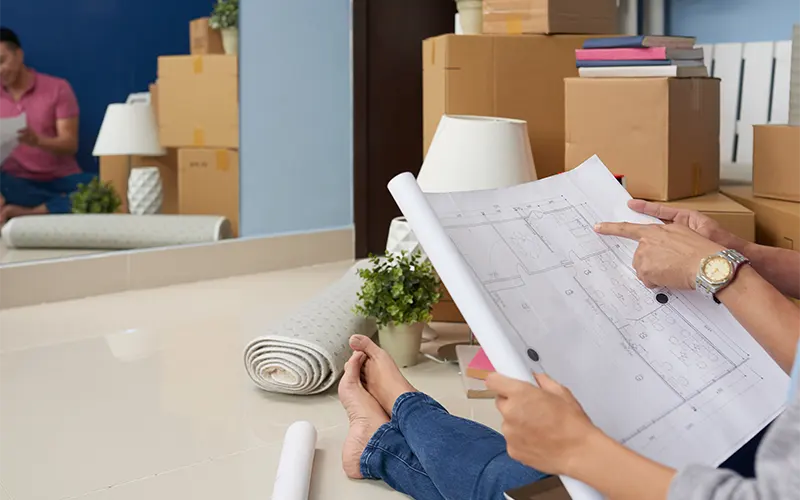
Book your move early and save: why you should plan your move in advance A move often only feels “real” when boxes are sitting in the living room. That is exactly where the problem begins for many: appointments are suddenly scarce, vans are fully booked, helpers cancel, parking becomes a stress factor, and in the end, costs rise. Book early and save is therefore not just a slogan, but simple logic: those who plan their move gain time, get better time slots, and reduce surprises. Especially in cities like Vienna, timely planning determines whether the move will be relaxed or chaotic. In this blog, you will learn why booking early can really save money, which time slots are practical, how to better control moving costs, and which typical mistakes happen when planning “too late.” If you would like to request your move in Vienna in a structured way, you can find relevant information under Moving Vienna as well as guidance on costs and services under Moving Prices Vienna. The short benefits of booking early better choice of dates instead of emergency solutions less stress regarding parking, elevators, and time slots more leeway for packing and furniture assembly more stable moving costs through clear planning less risk of damage and rework Book early and save: why dates influence the price Many people think moving costs only depend on the size of the apartment. In reality, moving costs are almost always effort plus time slot. If you book at short notice, often only certain days and times remain. These remaining slots are frequently more problematic: higher parking pressure, less buffer, more haste, and sometimes higher demand. This can lead to more hours, and hours are the strongest cost variable in a move. If you book early instead, you choose the timing strategically. You can select times when parking is easier, building access works better, and handovers can be cleanly coordinated. This not only ensures less stress but directly impacts moving costs. Planning a move in Vienna: why early planning has a double impact Vienna has some typical moving realities: old buildings without elevators, narrow stairwells, short-term parking zones, high occupancy in many districts, and often strict house rules. These factors do not make the move “difficult,” but they make it dependent on planning. Those who plan too late must improvise. Improvisation costs time, and time costs money. Additionally, there are seasons: the end of the month, summer, semester changes, holidays, and weekends are often in higher demand. Booking early means you don’t have to fight against the demand. Especially for a move in Vienna, this is one of the best ways to bring in some peace. What lead time is sensible? A practical guide There is no perfect standard, but there is a reliable logic. The more factors that come together, the earlier you should start: Small transport or few pieces of furniture: planning early helps, but often more flexible Apartment move with normal household goods: fix the date and process early Old building without an elevator or long carrying distances: more lead time, because time slots and parking matter more Assembly needs for wardrobes, beds, shelving systems: clarify early so that dismantling and assembly are cleanly integrated Additional services like packing, disposal, no-parking zones: plan early because dependencies arise The more you bundle—transport, packing, furniture assembly—the more important a clean time slot becomes. You get this more easily if you book early. The hidden costs of short-notice moves A short-notice move sometimes seems “fast and cheap.” In practice, hidden costs often arise that no one had on their radar: Van emergency solution: wrong vehicle size or unfavorable pickup times Parking: long carrying distances, loss of time, risk of trouble or fines More hours because packing isn’t finished and improvisation happens on moving day Damage because protection is missing or furniture is dismantled too late Rework because furniture assembly wasn’t planned for The result is often: you wanted to save, but you end up paying more. Booking early prevents exactly this domino effect. Parking and no-parking zones: why early planning is crucial here Parking is often the most important time lever in Vienna. If the van is 60 meters away, you carry every box and every piece of furniture longer. These minutes add up. If you plan early, you can solve parking deliberately: early start time, suitable loading window, or if necessary, a no-parking zone. Official information on short-term no-parking zone permits is provided by the City of Vienna here: short-term no-parking zone permit. The crucial point: if you need a no-parking zone, the time slot, signage, and process must match. This works significantly better when you don’t act at the last minute. Clarifying furniture assembly and packing early saves time on moving day Many moves become chaotic because furniture is not dismantled or because packing is missing. Then loading takes longer, the stairwell gets blocked, and you cannot move in sensibly at the destination. Those who plan early can cleanly integrate assembly and packing. Furniture assembly is sensible if large furniture otherwise won’t fit through doors or stairwells Packing material reduces damage and makes boxes stable Labeling saves search time and prevents double carrying If you would like to plan assembly directly, you can find information under Assembly Vienna. For boxes and material, there is an overview under Packing Material and Moving Boxes. Book early and save: how a calm process is created Here is a practical process that has proven successful in Vienna. It is not complicated, but consistent: 4 to 6 weeks before Fix the date and handover times Roughly estimate volume: furniture, boxes, cellar Decide between packing service or doing it yourself Check parking and plan loading windows 2 to 3 weeks before Reduce volume: sell, donate, give away Organize packing material: boxes, foil, markers Clarify furniture assembly: what needs to be dismantled Prepare address changes and contracts 1 week before Pack by room and priority Prepare Essentials Box for the first night Secure screws and small
Why a professional moving company is worthwhile for students

Why a professional moving company is worthwhile for students Why a professional moving company is worthwhile for students Students often move more frequently than other target groups: changing shared apartments, new semester, internship, start of studies, semester abroad, or simply a room closer to the university. Many automatically think of “doing it themselves”: asking friends, renting a van, lugging boxes, and hoping everything will be done in a few hours. In practice, this often turns out to be more expensive and stressful than planned. Why a professional moving company is worthwhile for students has less to do with luxury and more with time, predictability, and the protection of your belongings. Especially in cities like Vienna, factors such as old buildings without elevators, narrow staircases, parking zones, and tight timeframes have a particularly strong impact. If you want to manage a move in Vienna efficiently as a student, you need a clear strategy: reduce volume, structure packing, solve parking issues, minimize carrying distances, and plan assembly where furniture would otherwise not fit through doors or staircases. If you want a predictable process, you can find practical help and services under Moving Vienna and, if needed, assembly support under Assembly Vienna. The Short Truth A “cheap” move becomes expensive when time is lost. Professionals save time through structure, carrying logic, securing items, and experience with typical Vienna conditions. Student Moves in Vienna: Why it’s often more stressful than expected A student move is rarely a quiet weekend move with plenty of buffer time. There are usually tight deadlines: handover of the old room, key handover in the new shared apartment, job or university schedules, and exams on the side. This makes time the main problem. Many also underestimate how strenuous carrying items in old buildings can be. A 4th floor without an elevator may seem feasible on paper, but in practice, it’s a real time and energy drain. In addition, students often have furniture that was “somehow” assembled and becomes unstable during a second move. A wardrobe that barely held up during the first assembly might wobble or get damaged during the next transport. This is precisely where furniture assembly becomes relevant, as correct disassembly and reassembly restore stability. When a moving company is particularly worthwhile for students A professional moving company is not only worthwhile for large apartments. It is particularly beneficial if one of these points applies: Old building without an elevator or narrow staircases Difficult parking short-term parking zone, high occupancy, narrow street Short timeframe handover times, exam period, part-time job Heavy furniture sofa, washing machine, large wardrobe, bed frame Assembly needed wardrobe won’t fit through the staircase or doors otherwise Valuable electronics PC, monitor, musical instruments, sensitive devices If you are moving in Vienna and parking or carrying distances are difficult, professional help is often not “more expensive” but more efficient. Efficiency means fewer hours, less risk, and less chaos. And that is usually the decisive factor for students. Moving costs for students: what really determines the price Many search for affordable moving in Vienna or cheap moving company Vienna and hope for a simple number. However, a serious approach always involves an effort-based logic. The price is determined by time and general conditions: Volume how many boxes, furniture, cellar or storage room Access floor, elevator, carrying distances, staircase width Parking proximity of the vehicle, loading zone, no-parking zone Scope of service transport only or including packing service and assembly Date weekend, end of month, short-term availability For students, this means: If you want to reduce costs, reduce volume, improve parking, and organize packing systematically. A professional team does exactly that, only faster and with fewer errors. Wikipedia can serve as a neutral overview of the term ‘moving’, but the real cost logic arises from your specific situation. The biggest time-wasters in student moves and how professionals avoid them 1 Parking and Carrying Distances If the transporter is not close enough, everything is carried twice. In Vienna, this can quickly happen if no parking space is available. Professionals plan parking with a loading window or no-parking zone, thus reducing the meters. These meters are the invisible hours. 2 Chaotic Boxes Unlabeled boxes create search times. Search times create double carrying. Double carrying creates stress. A professional team works systematically: room, priority, heavy boxes at the bottom, fragile ones at the top, essentials separately. 3 Furniture without Disassembly A large wardrobe “will somehow fit” is a classic mistake. This leads to scratches, damaged walls, broken parts, or congestion in the staircase. Professional teams disassemble where it makes sense, secure small parts, and reassemble stably at the destination. 4 No Clear Division of Roles During moves with friends, three people often stand downstairs waiting because no one upstairs says what’s next. Professionals work with roles: one coordinates, one carries, one secures, one loads. This may seem trivial, but it saves an enormous amount of time. Pack like a pro: how students can move stress-free Even if you hire a moving company, good packing is an advantage. It reduces damage and makes moving in faster. These basic rules work in any shared apartment: Heavy items in small boxes especially books Label boxes room plus content plus priority Essentials Box first night, chargers, hygiene, documents Kitchen first basics so you don’t have to search on the first day Secure small parts screws in bags and attached to the furniture piece If you need packing material, it makes sense to organize moving boxes and packaging material in good time. You can also find relevant information under Packaging Material and Moving Boxes. Furniture assembly for students: why it often makes all the difference Shared apartments often contain furniture that has been assembled and disassembled multiple times. With each move, connections loosen, hinges get misaligned, and parts go missing. Professional furniture assembly ensures that wardrobes stand stably, doors close properly, and the bed doesn’t creak after two nights. This is not just about comfort, but long-term security. Furniture assembly becomes particularly relevant for: Wardrobes


